“Robin’s insight is extraordinary. He is clearly Europe’s leading communication coach.”


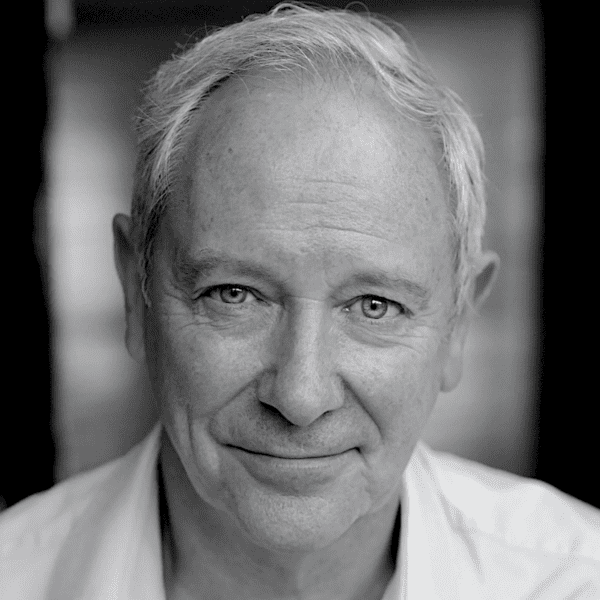
His career sits at the intersection of communication and performance. As an actor, he learned that every line, every movement, every pause only works when it is powered by clear intention. As a conference keynote speaker and executive coach, he brings this same principle to audiences and senior leaders. Whether addressing a boardroom, running a meeting, or holding a one-to-one conversation, the rule is the same: your message can only land when your intention is clear.
Robin is the author of the best-selling book Speak So Your Audience Will Listen and the host of The Art of Communication podcast, which has been downloaded over a million times. He is also a regular media commentator, with contributions to The Guardian, The Times, The Daily Telegraph and the Daily Mail.



























“Robin’s insight is extraordinary. He is clearly Europe’s leading communication coach.”

“Robin has a rare ability to talk to everybody individually – even in a larger group.”
“Robin is an inspiration. His content is unique and his delivery infectious. Just brilliant!”

Most executive communication coaching work focuses on technique, body language, tone of voice, and message structure. All these, of course, are hugely important. But without a crystal-clear understanding of the intention, technique alone will appear empty.
Robin starts by creating a deep understanding of both the needs and mind-set of the audience that he, or his client, is speaking to. Only once that intention is clear, can the structure and delivery take flight.
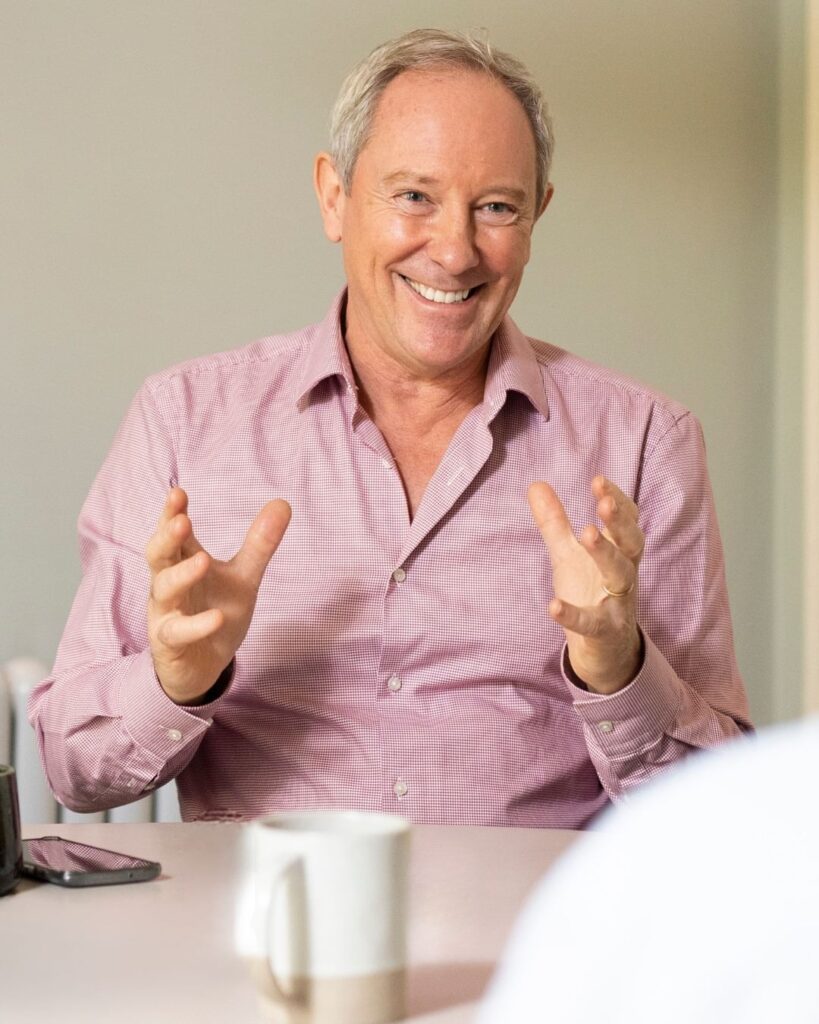
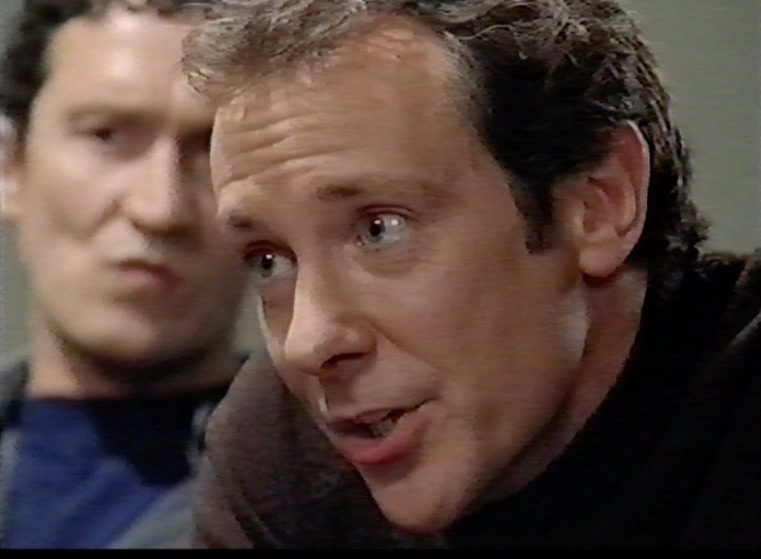
Robin has been an actor for over 30 years, being a regular face on TV in dramas and sit-coms, and on the London stage in plays from Shakespeare to Oscar Wilde. He is a recognisable voice over artist and was the MC of the ATP World Tour Finals for 12 years at The 02 Arena in London.
When Robin is not coaching, you’ll find him on the tennis court, walking in the countryside, exploring a museum, travelling or going to the theatre. Because being intentional isn’t only for the boardroom or the conference stage, it’s a way of being present in how we live our lives, and how we connect and engage with the world every day.